
Home / East Mountains window replacement
Window Replacement East Mountains NM | Tijeras & Cedar Crest
Colder winters, stronger sun and wildfire risk make window choice different in the East Mountains. Here is what matters at 6,000 to 7,500 feet.
Call (505) 337-4642Talk to a local window pro
Window replacement in the East Mountains
Drive east from Albuquerque through Tijeras Canyon and the landscape changes fast. Within minutes you are among piñon, juniper and ponderosa pine, at elevations between roughly 6,000 and 7,500 feet, surrounded by the Cibola National Forest. Tijeras sits at about 6,382 feet and is typically 10 to 15 degrees cooler than Albuquerque. Cedar Crest, along the eastern base of the Sandias just north of Tijeras, is a little higher still. Sandia Park, Edgewood and the rural roads in between round out the area. Homes range from rustic cabins and ranch houses to large custom homes with sweeping views of the Sandia and Manzano mountains.
Windows up here face a different climate than in the city: real winters with snow, strong mountain sun, wind through the canyons and a constant awareness of wildfire. Choosing the right windows means planning for all of it.
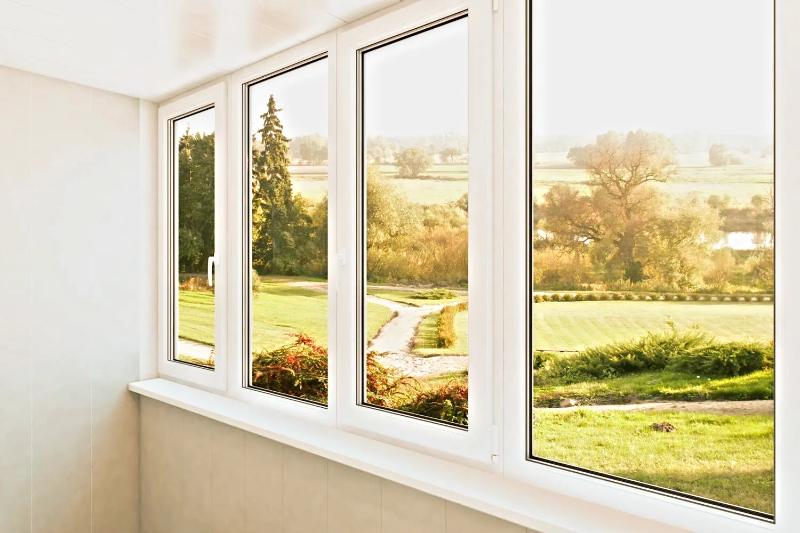
Colder winters, stronger sun
At East Mountain elevations, winter nights are long and cold, snow is common, and heating season runs well into spring. That makes a low U-factor the top priority. Two panes, a low-E coat and argon fill is the minimum; in the coldest, highest locations, triple-pane glass is worth discussing. Warm-edge spacers and insulating vinyl or fiberglass frames reduce condensation and frost on interior glass. Because New Mexico assigns climate zones by location and elevation in its energy code tables, some higher-elevation homes fall into a colder zone than Albuquerque’s 4B. Ask your installer to confirm the U-factor requirement for your address.
At the same time, ultraviolet light is stronger at altitude. South- and west-facing glass benefits from a coating that blocks UV and summer heat while still letting in some winter sun, especially in homes designed around passive solar gain.
Wildfire and your windows
The East Mountains are wildland-urban interface. The East Mountain Community Wildfire Protection Plan, first developed in 2006 and updated in 2015, describes the dense forest stands, drought and heavy fuel loads that make catastrophic wildfire a constant risk, and many East Mountain communities have been classified as high-risk. Windows are only one part of a home’s defense, but they matter:
- Tempered dual-pane glass withstands radiant heat far better than single-pane annealed glass, which can crack and let embers in.
- Intact metal-mesh screens help keep embers out of open windows.
- Noncombustible or fire-resistant frames and trim are worth considering where available.
- Defensible space around the house, cleared gutters and ember-resistant vents complete the picture.
Follow guidance from Bernalillo County, Santa Fe County and the New Mexico State Forestry Division on defensible space and home hardening.
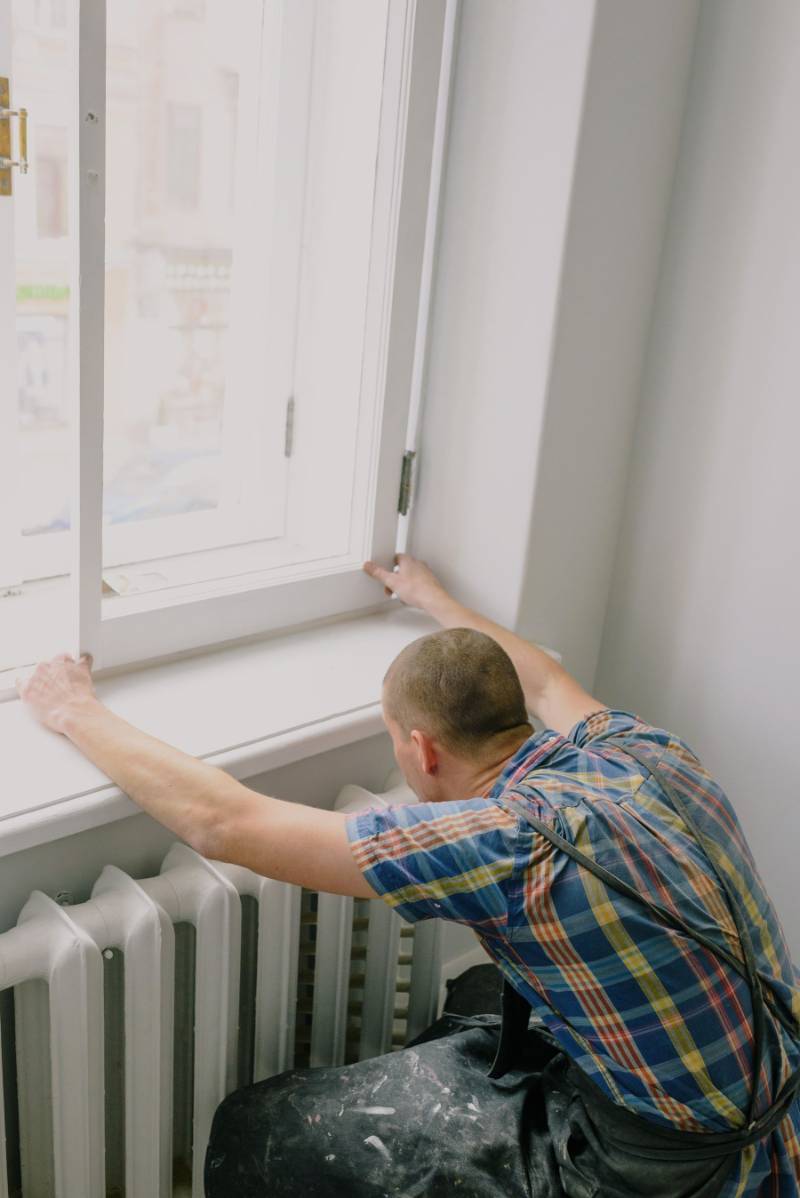
Permits across several jurisdictions
The East Mountains span several jurisdictions. Most unincorporated areas, including Cedar Crest and Sandia Park, are in Bernalillo County, which issues building permits there. The Village of Tijeras handles its own zoning. Edgewood and communities to the east are in the Town of Edgewood or Santa Fe County. Your installer should confirm the right office for your address. Some subdivisions also have HOAs or road associations with their own rules. Our permits and HOA guide explains the basics.
Window styles for mountain homes
- Casements seal tightest against canyon wind and winter cold.
- Picture windows frame mountain and forest views with the best energy performance for their size.
- Double-hungs suit cabins, farmhouses and traditional homes.
- Wood-tone or dark exteriors blend with pine, log and stone; choose finishes rated for high UV.
Installing in log, timber and stucco homes
East Mountain homes include stucco, frame, log and timber construction. Log homes settle over time, so windows are often set in a frame with a settling space above them; a replacement must keep that space or the new window can be crushed as the logs shrink. Stucco and frame homes can usually take retrofit installations. Older homes with damaged frames or water intrusion may need full-frame replacement. Winter installations are possible: crews replace one opening at a time to limit heat loss.
What it costs in the East Mountains
Mountain-area installs follow metro pricing, generally $365 to $960 per window. Mountain projects can cost more because of travel, custom sizes, log-home details, triple-pane glass and large view windows. Every quote should itemize each choice. See our cost guide.
East Mountain communities we serve
Tijeras, Cedar Crest, Sandia Park, Sandia Knolls, San Antonito, Forest Park, Edgewood, Paa-Ko and the homes along NM 14, NM 337 and Old Route 66 through the canyon.
Signs your mountain windows need replacing
- Ice forming on the inside of the glass on cold mornings.
- Drafts you can feel near windows when the wind blows through the canyon.
- Fogged dual-pane units that hide the view.
- Wood frames that have checked, cracked or rotted from sun and snowmelt.
- Faded floors and furniture in rooms with south or west glass.
- Single-pane windows in cabins or older homes that make heating expensive.
Snow, ice and window maintenance
Snow piling against low windows and ice dams at the roofline can push water toward window openings as it melts. Good flashing at the sill and head, sloped sills and clear weep holes help water drain away. After a heavy snow, brush snow away from the bottom of windows on the north side of the house where it lingers longest. In spring, check screens and seals for damage from wind-blown debris.
Heating with wood and windows
Many East Mountain homes heat with wood stoves or pellet stoves. Tight windows help those stoves work efficiently by stopping cold drafts that pull warm air away from living spaces. If the house feels smoky or stuffy after replacing windows, it is a sign the home is now much tighter; a small amount of controlled ventilation, such as cracking a casement near the stove, may be needed. Ask the installer about operable windows placed where they can provide combustion and fresh air.
Wildlife and screens
Bears, raccoons, birds and insects are part of mountain living. Sturdy screens with strong frames hold up better than lightweight ones, and casement screens mounted on the inside are protected from weather and wildlife. Keep screens on any window you open regularly.
Planning around weather and travel
Lead times and scheduling in the East Mountains can depend on road conditions and weather. Late spring through early fall is usually the easiest time for installation. If you need windows done before winter, start the process in summer.
Framing the forest and the mountains
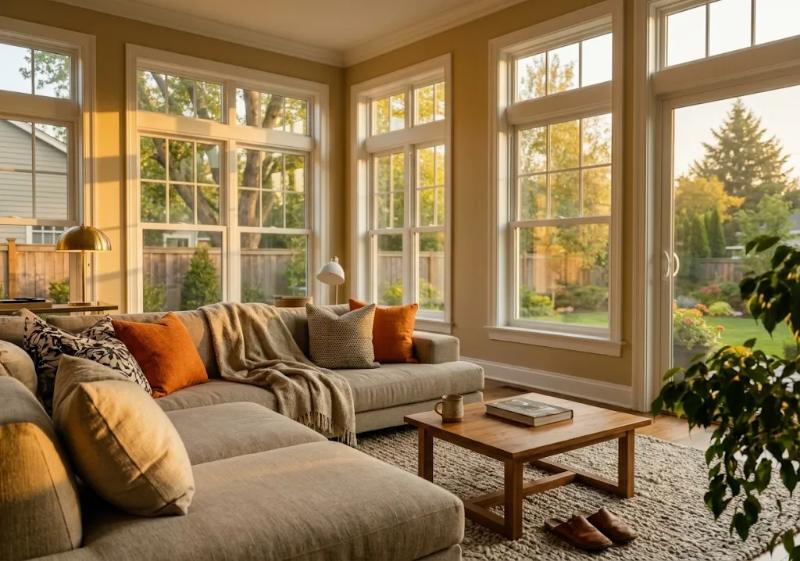
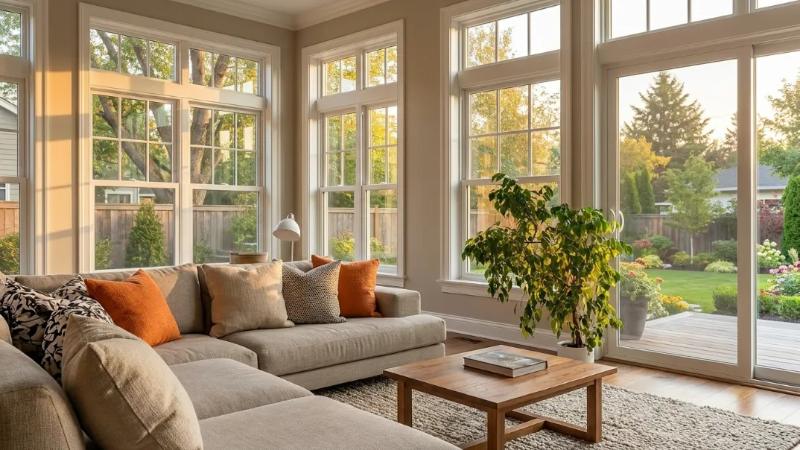
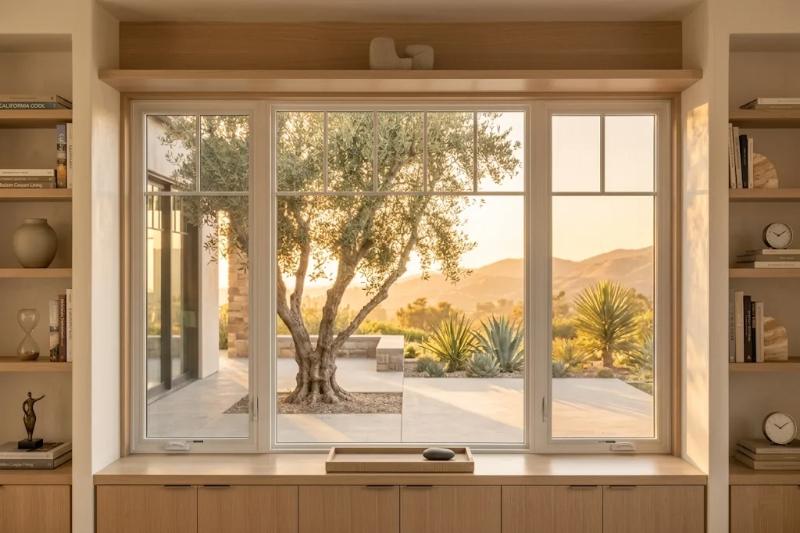
East Mountain homes often look into ponderosa forest, across meadows toward the Manzanos, or up at the eastern face of the Sandias. Big view windows are a big part of the appeal. When replacing them, ask for a clear low-E coating with high visible light so the forest and sky look natural, and consider flanking a fixed center pane with casements to catch cool summer air in the evening.
Summer evenings in the mountains are often cool enough that open windows replace air conditioning entirely, so placing operable windows where breezes reach the main living areas pays off every year.
Screens on those windows keep insects and pine pollen out.
Clean them each spring.
East Mountains window replacement questions
Who issues window permits in the East Mountains?
It depends on the community. Cedar Crest, Sandia Park and most unincorporated areas are in Bernalillo County, which issues permits there. The Village of Tijeras handles its own zoning. Edgewood and areas east of the county line are in Santa Fe County or the Town of Edgewood. Your installer can confirm from your address.
Do East Mountain homes need different windows than Albuquerque?
The glass priorities change. At 6,000 to 7,500 feet, winters are colder and snowier, so a low U-factor matters more. Some higher-elevation locations fall in a colder energy-code climate zone than Albuquerque, so confirm the requirement for your address.
Do windows help with wildfire safety?
Windows are one part of a home’s wildfire readiness. Dual-pane tempered glass resists heat far better than single-pane glass, and intact screens help keep embers out. Defensible space and ember-resistant vents matter just as much.
Can installers work in winter in the mountains?
Yes, with planning. Retrofit installs replace one opening at a time, so the house is only open briefly. Snowy days may shift the schedule.
What does window replacement cost in the East Mountains?
A typical window, supplied and installed in Albuquerque, lands between $365 and $960 by most published estimates. Travel, custom log or timber homes and large view windows can add to the price.
Ready for warmer, tighter windows in the mountains? East Mountain residents can send the form; we will call to plan a trip up. Prefer the phone? (505) 337-4642.
Get an East Mountains window replacement quote
Prefer to talk? Call (505) 337-4642.
Snow on the ground can slow access to rural driveways, so allow scheduling flexibility in winter.
Related pages
Windows ready for mountain winters
We price glass with a lower U-factor for the colder East Mountain nights.
Get my free estimate (505) 337-4642